Ecologische misvatting betekenis
Wat is ecologische drogreden: ontdek de oorzaken, hoe ze te vermijden en voorbeelden uit de praktijk, in een uitgebreid overzicht. Een ecologische fout (ecological fallacy) in de sociale wetenschappen is een denkfout waarbij kenmerken die een gehele statistische populatie heeft, worden toegekend aan delen van die populatie. De denkfout kan gemaakt worden bij een ecologische onderzoeksopzet, bijvoorbeeld in de sociologie of epidemiologie. Ecologische misvatting betekenis Misvatting = een verkeerde of misleidende overtuiging of idee, gebaseerd op een ondeugdelijke redenering; Het is niet correst om resultaten te interpreteren op een ander niveu dan het niveau waar de resultaten betrekking op hebben.

Ecologie Learn about ecology, the branch of biology that studies the relationships between organisms and their environments. Find out how ecologists observe and understand the diversity, function, and challenges of ecosystems around the world.


Ecologie
Bring a little thoughtful beauty to your cleaning routine, fridge shelf, and lunch bag with Ecologie Swedish sponge cloths and beeswax wraps. Say goodbye to single-use paper and plastic, and hello to these reusable alternatives. Ecology is the natural science of the relationships among living organisms and their environment. It covers topics such as biodiversity, ecosystems, evolution, and conservation, and uses various methods and scales to study life processes and patterns.Statistische fouten
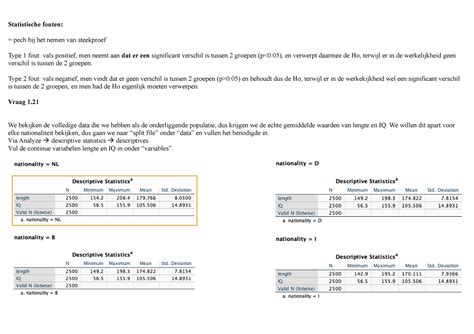
Ontdek de nieuwste technieken om veelvoorkomende statistische fouten in onderzoekspapers te vermijden. Onze update voor biedt cruciale inzichten voor nauwkeurige data-analyse. Om nauwkeurige resultaten te bereiken, is het essentieel om vier soorten statistische fouten te vermijden. In dit artikel zal ik elke fout gedetailleerd bespreken: dekkingsfout, steekproeffout, non-responsfout en meetfout. Statistische fouten Een statistische fout is het verschil tussen enerzijds de berekende, geschatte of gemeten waarde en anderzijds de echte of theoretisch correcte waarde (zie Statistische toets). Fouten zijn onder te verdelen in toevallige of stochastische fouten, systematische fouten en uitbijters of uitschieters.Onderzoeks bias
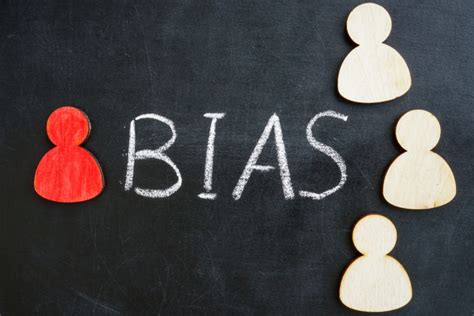
Research bias (onderzoeksbias) treedt op als onderzoeksresultaten worden beïnvloed door externe factoren, wat leidt tot vertekende resultaten en conclusies. Research bias results from any deviation from the truth, causing distorted results and wrong conclusions. Bias can occur at any phase of your research, including during data collection, data analysis, interpretation, or publication. Research bias can occur in both qualitative and quantitative research.Onderzoeks bias Er is sprake van bias wanneer externe factoren een negatieve invloed hebben op de uitkomsten van een onderzoek. Het gevolg hiervan is dat de uitkomsten geen goede afspiegeling zijn van de werkelijkheid en daarmee hun nut en meerwaarde verliezen.